Callas, Beethoven, bee-eaters or storks: competition seeks to redesign euro notes
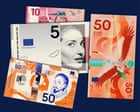
What does a redesigned Euro say about Europe's identity? As the European Union embarks on a significant currency makeover, the debate is heating up: should the new notes feature iconic figures from history, or should they celebrate the natural world?
On one side, advocates argue that figures like Marie Curie, Miguel de Cervantes, and Ludwig van Beethoven embody the intellectual and artistic spirit of Europe. Their contributions have not only shaped European culture but also left an indelible mark on the global stage. Including them on currency could serve as a reminder of Europe’s rich heritage and its continued relevance in a rapidly changing world.
On the other hand, some suggest that animals like the stork and the bee-eater represent a different, perhaps more unifying, aspect of European identity. By showcasing wildlife, the EU could emphasize themes of freedom, migration, and the interconnectedness of nature and humanity. This perspective reflects a modern approach to identity—one that goes beyond individuals and connects all Europeans through shared ecosystems and values.
Why does this matter to you? The Euro is not just a currency; it's a symbol of unity and identity for millions. The designs we choose can influence how we perceive ourselves and our place in the world. As discussions unfold, the choices made could reflect broader societal values and priorities.
The redesign is an opportunity for the EU to take a stand—will it lean towards individual accomplishments that shaped history, or will it celebrate the natural environment that sustains us all? The decision could resonate deeply with public sentiment and international perception.
As the debate continues, what direction will the EU ultimately take? The answer might surprise you.
For those eager to dive deeper into how this currency redesign could reshape European identity, the full report at The Guardian offers the latest verified details.
The Guardian · ✦ 24ScopeNews AI