Palestine Action activists face being sentenced as terrorists over bank damage
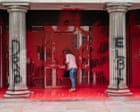
What happens when a protest crosses the line into what authorities label as terrorism? That's the question looming over five activists from Palestine Action after a recent conviction for vandalism at a Barclays Bank branch in Burnley, Lancashire.
Brendon O’Hagan, Amanda Kelly, Humeera Atiqnisar, Mohammed Malik, and Alma Yaniv were found guilty of breaking windows and throwing red paint at the bank. While actions like these often spark debate, the stakes have risen dramatically as a judge now considers a "terrorist connection" in their sentencing.
This case shines a light on the blurred lines between activism and crime. For many, protesting against perceived injustices is a fundamental right. Yet, when property damage occurs, especially in a politically charged context, the situation can quickly escalate.
The implications of labeling these activists as terrorists could have far-reaching consequences, not just for them, but for the broader movement they represent. It raises a pressing question: Where do we draw the line between legitimate protest and criminality?
Understanding the motivations behind such drastic actions can also help us grasp the complexities of social justice movements. Palestine Action has positioned itself as a vocal opponent of companies that it believes support Israeli actions in Palestine.
As the legal proceedings unfold, the ramifications of this decision could echo through activism circles, potentially deterring or emboldening future protests. What does this mean for those who feel compelled to take a stand?
For anyone invested in the intersection of activism, law, and human rights, this case is certainly one to watch. The outcomes could redefine how society views protest actions and their consequences.
To stay informed about the latest developments in this story, you may want to read the full report at The Guardian.
The Guardian · ✦ 24ScopeNews AI