Energy drinks to be banned from sale to under-16s in England
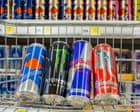
Have you ever wondered what impact energy drinks might have on children? Starting April next year, the sale of high-caffeine energy beverages will be banned for those under 16 in England, a move aimed at improving health outcomes for young people.
This decision comes as a response to alarming statistics: about 100,000 children in the country consume these caffeinated drinks daily. The government has recognized a growing concern that such beverages "have no place in children's hands."
Many parents and educators have expressed their unease about the effects of high caffeine intake on developing bodies and minds. With rising rates of anxiety and sleep issues among teenagers, this new law is a proactive step toward fostering healthier habits.
But why should this matter to you? If you have children or work with young people, understanding the potential effects of these drinks can influence your choices and conversations. Knowledge empowers parents and guardians to guide their children toward safer alternatives.
As we delve deeper into the implications of this ban, it's crucial to consider not just the immediate impact but the long-term benefits for future generations. Will this legislation lead to a significant decrease in health issues related to caffeine consumption among youth?
The government aims to create a safer environment for children, but how will this affect the market and the availability of these drinks? The balance between personal choice and health advocacy is a delicate one.
This development marks a significant shift in public health policy, underscoring the importance of protecting young people from potential harm. As the ban approaches, discussions around similar regulations in other areas are likely to emerge.
For those intrigued by the full scope of this legislation and its upcoming changes, be sure to check out the complete report for the latest verified details.
The Guardian · ✦ 24ScopeNews AI