Palestine Action ban to be reviewed by Supreme Court
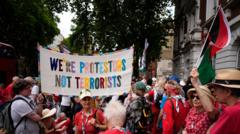
What does a court decision about a protest group mean for activism in the UK?
The UK's Supreme Court has agreed to review the government's controversial ban on Palestine Action, a group advocating for Palestinian rights. This decision opens the door to significant discussions about the intersection of activism and anti-terrorism laws.
Palestine Action has faced scrutiny since its inception, particularly due to its direct actions against companies it links to Israeli military operations. Now, with the Supreme Court's permission to appeal, the group's future hangs in the balance as they challenge their designation under anti-terrorism legislation.
Why does this matter? Many activists and legal experts are watching closely, as the outcome could set a precedent for how protest groups are treated under UK law. The balance between national security and the right to protest is a delicate one, and this case could redefine those boundaries.
For supporters of Palestine Action, the court’s decision is a glimmer of hope. It represents a crucial opportunity to contest what they see as an unjust label. But for critics, it raises concerns about the potential for protests to escalate and challenge public order.
As the Supreme Court prepares to hear the appeal, both sides are gearing up for a significant legal battle. The implications could ripple through activism, affecting not just Palestine Action, but other groups facing similar scrutiny.
Stay tuned as this story develops, and consider how the legal landscape surrounding activism may change in the UK. For the latest verified details, you can read the full report at the source.
BBC · ✦ 24ScopeNews AI