Salmonella outbreak: How to check if your eggs are safe to eat as new advice issued
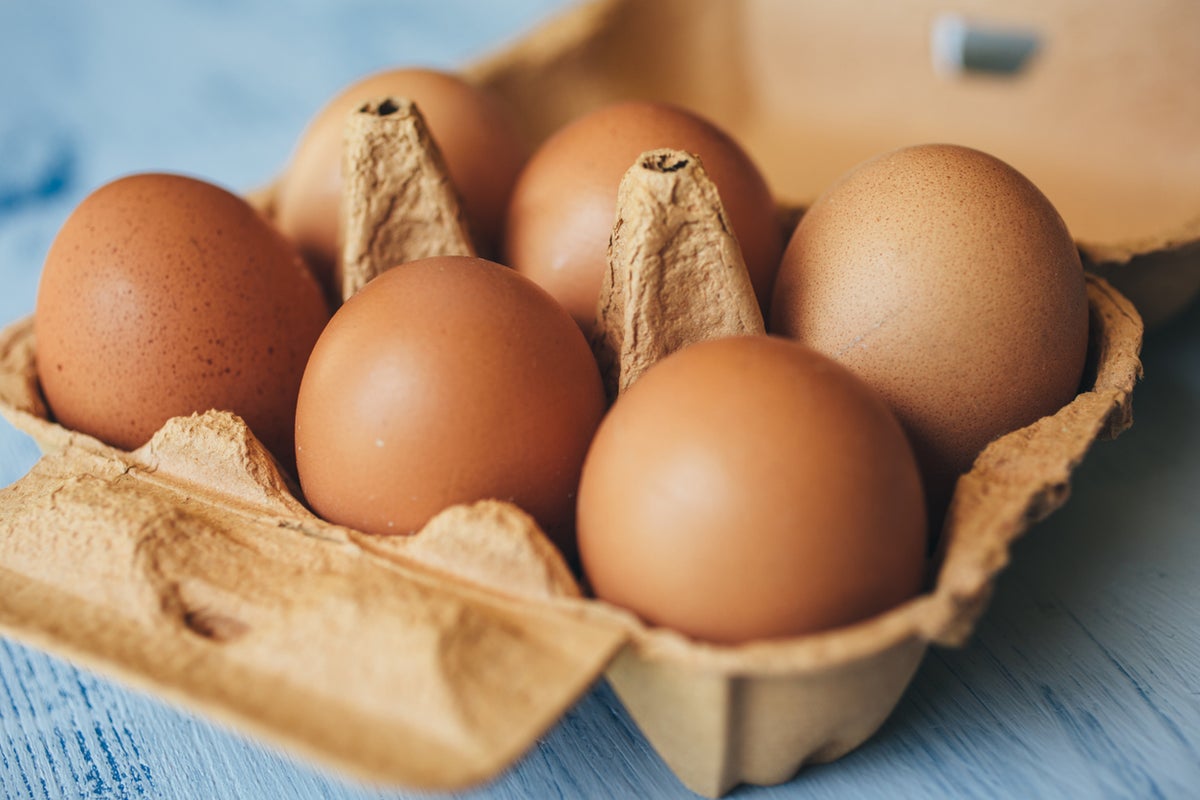
Have you ever wondered whether the eggs in your fridge could be hiding a dangerous secret? In light of a recent salmonella outbreak, many are now questioning the safety of their breakfast staples.
The Food Standards Agency (FSA) has issued new guidance following investigations that have linked salmonella cases to imported eggs. This alarming connection raises concerns for consumers who might not think twice before cracking an egg for breakfast or baking.
So, why does this matter to you? Salmonella can lead to serious illness, particularly in vulnerable populations such as the elderly, young children, and those with weakened immune systems. Understanding how to check if your eggs are safe could protect you and your loved ones from potential health risks.
Here’s what you need to know: The FSA recommends checking the packaging for safety information. Look for eggs that are British Lion marked, which indicates they have met strict safety standards. If your eggs are imported, consider their source and any advisories that may have been issued.
In addition to checking the label, always handle eggs with care. Wash your hands after touching them, avoid consuming raw or undercooked eggs, and be mindful of any unusual odors or appearances.
As this situation continues to develop, staying informed is key. The FSA's advice is aimed at keeping you safe and ensuring you can enjoy your meals without worry.
To stay updated on the latest verified details and recommendations, consider reading the full report at the source.
The Independent · ✦ 24ScopeNews AI