Dolphin dies from H5 bird flu in SA as researchers withdrawn from sub-Antarctic island over ‘psychosocial risk’
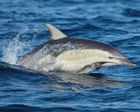
What could a dolphin's death in South Australia reveal about a growing health crisis?
In a surprising twist, a dolphin has succumbed to H5 bird flu, marking a troubling milestone as the second native mammal known to have contracted this virus. As researchers scramble to understand the implications, the situation raises urgent questions about the wider impact on wildlife and public health in Australia.
Meanwhile, the Australian government is taking proactive measures by evacuating 24 expeditioners from a research station on the remote Macquarie Island. The withdrawal is linked to concerns over "prolonged psychological stress" faced by these researchers, highlighting the often-overlooked mental health aspects involved in such remote scientific work.
Why should you care? The implications of this dolphin's death extend beyond marine life. With avian influenza proving deadly in mammals, the risk of a spillover to other species, including humans, becomes increasingly concerning. This situation could serve as a warning for future wildlife and public health management.
As the researchers leave Macquarie Island, questions loom: What will this mean for ongoing studies in sub-Antarctic ecosystems? The withdrawal reflects a growing recognition of the mental health challenges faced by scientists, especially in isolated environments.
The intersection of wildlife health and human well-being is becoming more evident, prompting calls for better resource allocation and support for researchers. As we ponder the fate of wildlife, we must also consider the well-being of those studying these critical ecosystems.
For the latest verified details on these developments, you can read the full report at the source.
The Guardian AU · ✦ 24ScopeNews AI