Former Venezuelan President Nicolás Maduro to face trial next June
What does a former president facing trial in a foreign land reveal about the complexities of international law and justice?
Nicolás Maduro, the former president of Venezuela, is set to face trial in the United States next June. This development marks a significant moment not just for the embattled leader but also for the ongoing geopolitical tensions between the U.S. and Venezuela.
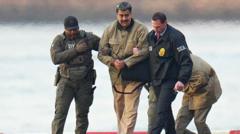
Earlier this year, both Maduro and his wife were seized and brought to the U.S. Their detention has raised questions about the legal processes involved in extraditing political figures and the implications of such actions on international relations.
The charges against them include serious allegations related to weapons and drug trafficking, which they both vehemently deny. This denial places them at the center of a contentious narrative that intertwines politics, crime, and human rights.
For many observers, this trial could shed light on broader issues of accountability in leadership roles. It raises the question: what does it mean for a leader to be judged by a foreign judicial system?
The implications of this case extend beyond the courtroom. It reflects ongoing struggles within Venezuela and the international community's response to the country's political landscape.
As the trial date approaches, many will be watching closely. The outcome could have far-reaching effects on U.S.-Venezuelan relations and could potentially influence political dynamics within Venezuela itself.
Understanding the nuances of this situation is crucial, as it touches on themes of justice, sovereignty, and the global fight against drug trafficking.
For those eager to stay informed, the latest verified details on this unfolding story can be found in the full report at the source.
BBC · ✦ 24ScopeNews AI