Alarmed by the alarm: people react to ‘severe alert’ on phones over UK wildfires

What would you do if your phone suddenly blared a piercing alarm, warning you of wildfires nearby?
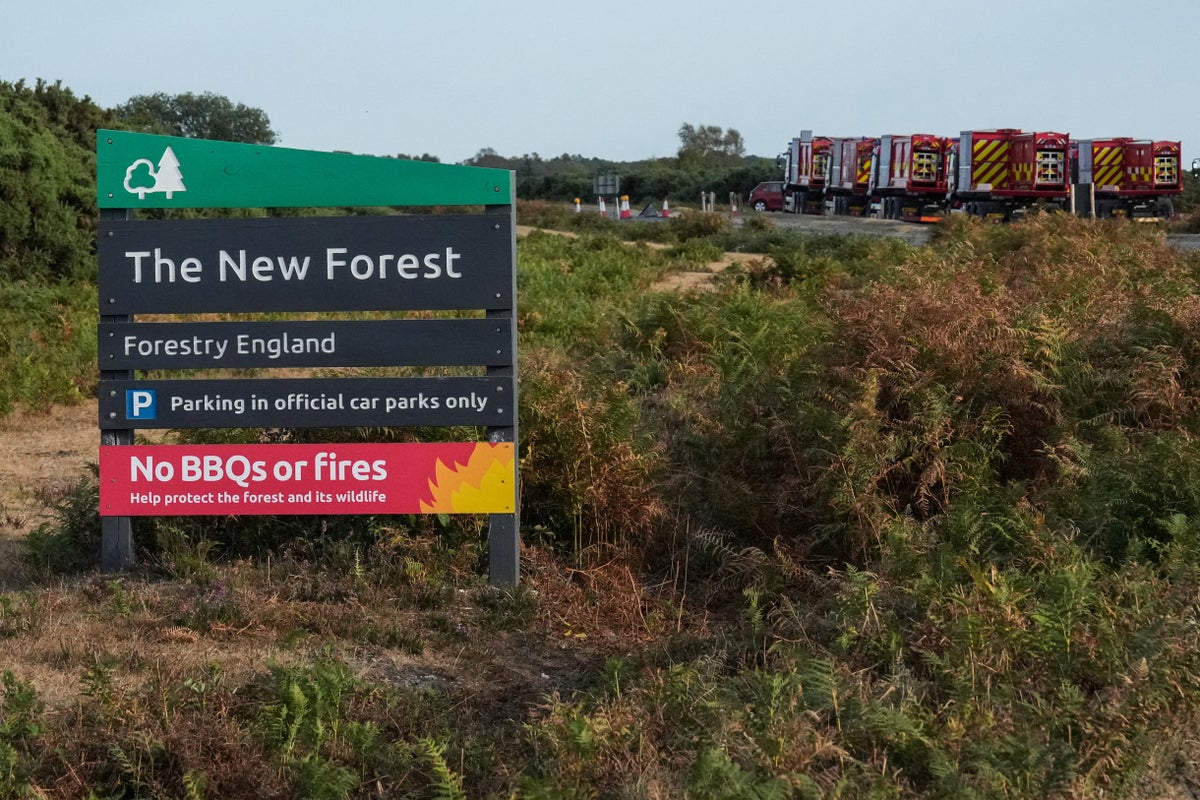
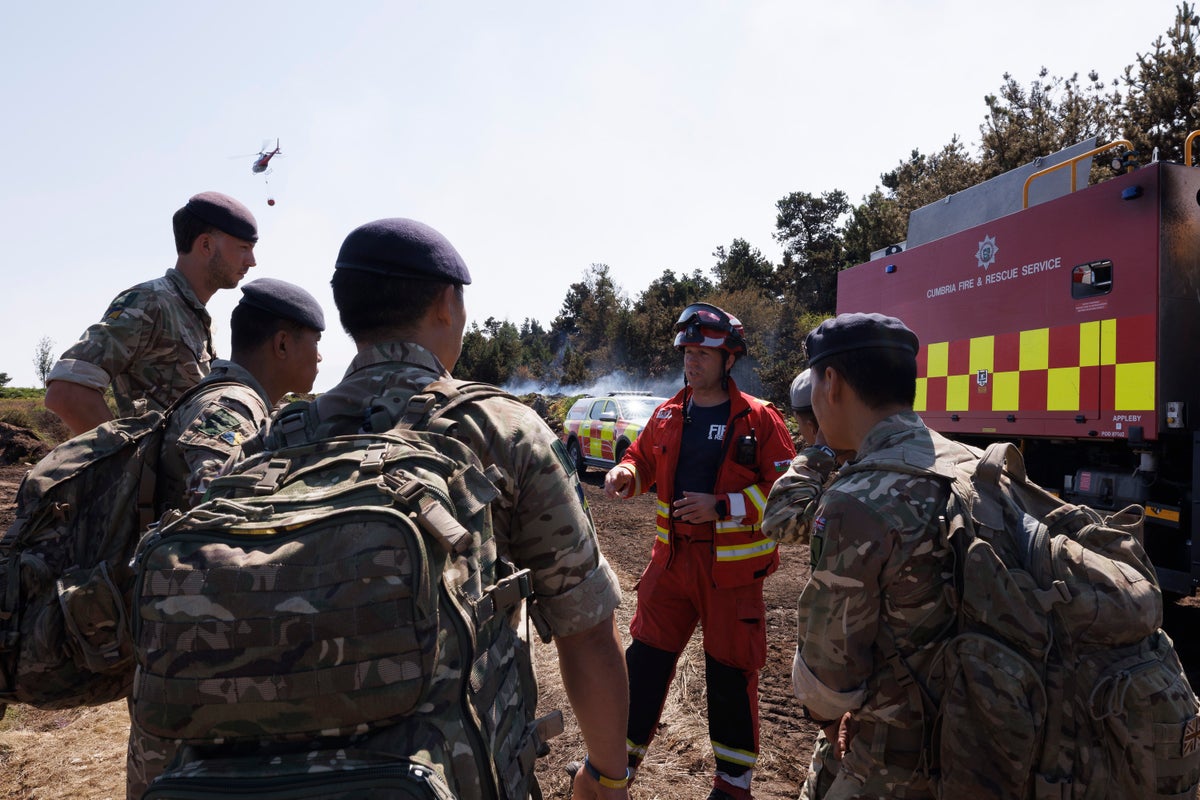
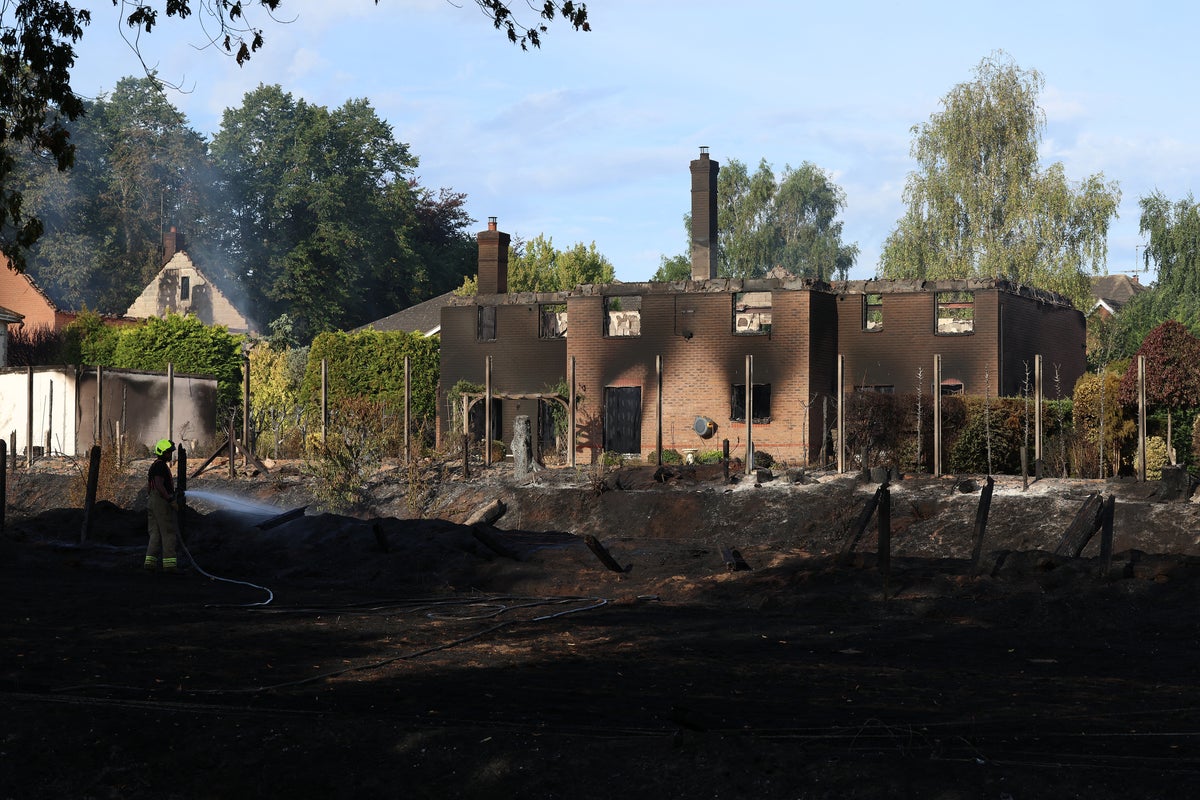
This scenario unfolded for many in the UK recently when a “severe alert” was issued, catching countless citizens off guard. The alarm was meant to inform the public about ongoing wildfires, but reactions varied widely. While some saw the alert as a necessary precaution, others felt the alarm's intensity was an overreach.
Thérèse Coffey, a former Tory minister, experienced the fright firsthand. Just nine miles from a nuclear power station, she was startled by the generic warning about wildfires instead of a more specific message that could have detailed her immediate risks. This left her—and many others—questioning the effectiveness and appropriateness of such alerts.
Public opinion quickly flooded social media, with many users expressing frustration over the lack of targeted information. Could it be that the alarm sounded more like a cry for attention than a call to action? Some lamented the pressing need for decarbonization efforts, suggesting that the wildfires and the alarm reflect deeper environmental issues that are being overlooked.
Why does this matter to you? As climate change intensifies, understanding how we respond to emergency notifications could be crucial in a world where extreme weather events become more common.
The debate over the alarm raises important questions about communication in crises. Are generic alerts enough to mobilize communities? Or do they need to be more tailored to meet the public's needs during emergencies?
As discussions continue, the balance between effective warning systems and public anxiety remains delicate. The reactions to the recent alert highlight a growing awareness of the climate crisis and the actions needed to address it.
For those interested in the latest verified details on this unfolding story, consider reading the full report at the source.
The Guardian · ✦ 24ScopeNews AI