The architect of Qatari autonomy
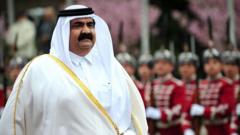
What does it take for a nation to transform from a desert enclave into a key player on the global stage? Sheikh Hamad bin Khalifa Al Thani, the former Emir of Qatar, offers a compelling case study in strategic vision and autonomy.
In a region often overshadowed by larger neighbors, Sheikh Hamad understood the importance of relevance. His leadership spanned from 1995 to 2013, a period that saw Qatar emerge not just as a safe haven, but as a significant player in international politics and economics.
Why should this matter to you? The story of Qatar's rise reflects broader themes in global diplomacy and national branding that can apply to various countries, including your own. As nations strive for autonomy and recognition, Qatar’s journey presents lessons in strategic investments and savvy foreign relations.
One of Sheikh Hamad's notable achievements was the establishment of Al Jazeera, a media platform that not only informed but also influenced public opinion across the Arab world and beyond. This initiative positioned Qatar as a center for discourse and debate, elevating its status on the world stage.
Moreover, Sheikh Hamad's focus on energy resources turned the country's wealth into a powerful tool for diplomacy. By leveraging its natural gas reserves, Qatar managed to forge critical alliances and assert itself in global markets, showcasing how resource management is key to national autonomy.
As we explore the intricacies of Sheikh Hamad's legacy, it becomes evident that his strategies were not just about immediate gains but about laying a foundation for sustainable growth and influence. The question remains—what can other nations learn from Qatar's journey toward autonomy?
For those curious about the finer details of Sheikh Hamad's impact on Qatar's path to relevance, a deeper dive into the full report will provide the latest verified insights on this fascinating topic.
Al Jazeera · ✦ 24ScopeNews AI