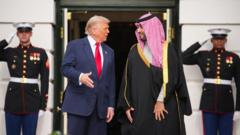
Oil price passes $100 a barrel again as Middle East conflict escalates
Have you noticed the surge in oil prices lately? It's not just a coincidence, and the reasons behind it are both intriguing and concerning.
On Thursday, the benchmark oil price soared above $100 a barrel for the first time in two months. This sharp increase comes amid escalating tensions in the Middle East, particularly involving the Houthi militia, which poses a significant threat to Saudi oil exports.
But why should this matter to you? Oil prices affect everything from the cost of commuting to the price of groceries. When oil prices rise, it’s often a signal of broader economic instability, which can lead to higher costs for consumers and businesses alike.
The backdrop is a complex web of US-Iran tensions, which have been intensifying. As these conflicts escalate, the potential for disruption in oil supplies grows, leading to fears of a further spike in prices.
Just a day before this recent surge, prices had reached $95 a barrel, indicating a rapid shift in market sentiment. Analysts fear that if the conflict continues to escalate, we could see even higher prices in the coming weeks.
Understanding this situation is crucial for navigating the economic landscape. The implications of these rising prices extend beyond the gas pump, impacting everything from inflation rates to energy policy discussions.
As the situation develops, staying informed will help you make better decisions in your daily life.
For the latest verified details on this evolving story, you can read the full report at The Guardian.
The Guardian · ✦ 24ScopeNews AI